About

Circular cities. Community-owned systems.

Green Future Collective is an eco-feminist sustainability organization building circular, community-owned waste systems that transform cities into resilient, equitable hubs under SDG 11.

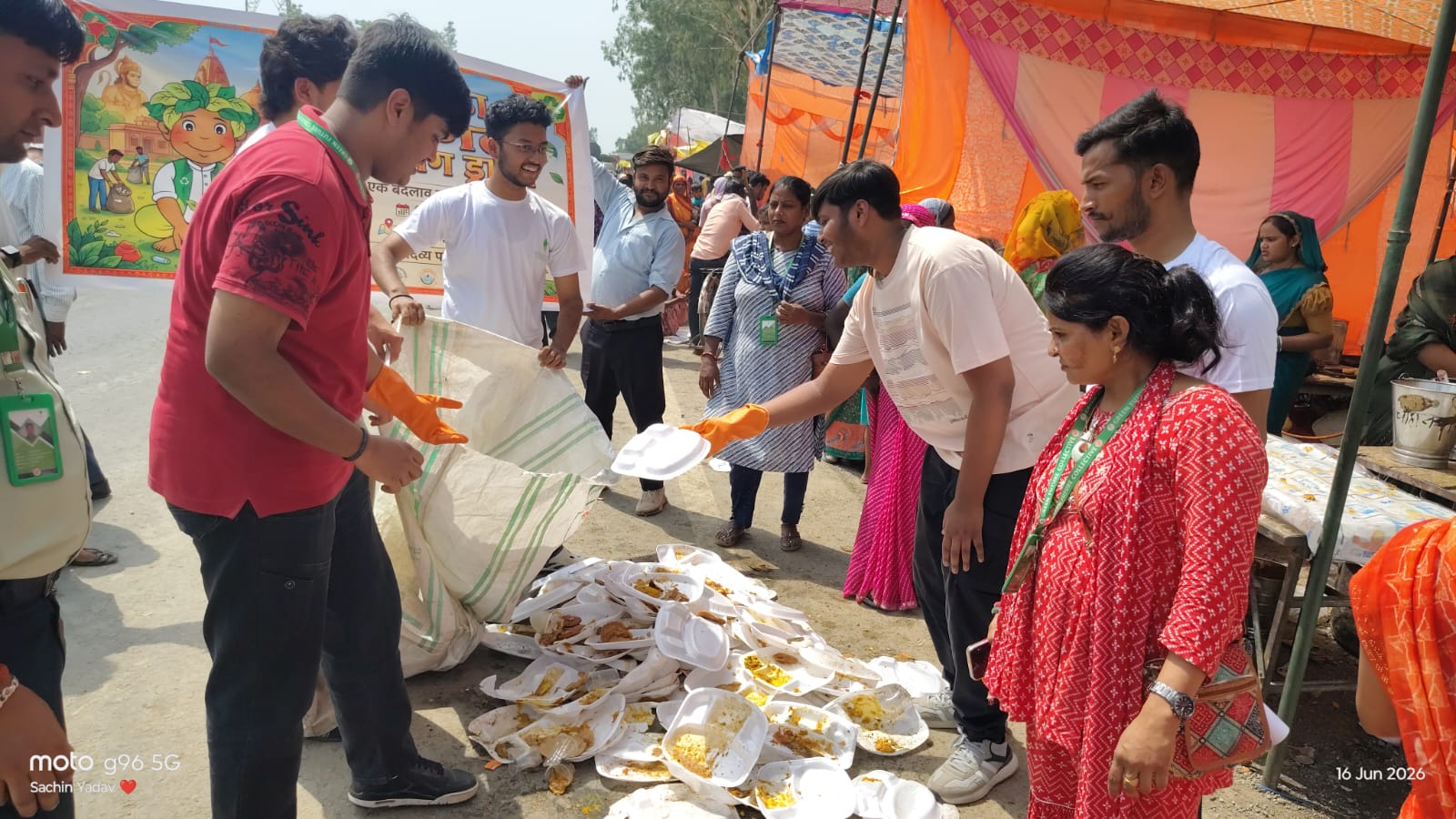
Green Future Collective team and volunteers at Bada Mangal plog drive
On the ground · Plog drive, Tilhar, Uttar Pradesh

Who we are

Community-owned. Circular by design.

Green Future Collective is an eco-feminist sustainability organization building circular, community-owned waste systems that transform cities into resilient, equitable hubs under SDG 11.

We partner with municipal governments to redesign waste management from the ground up — centering informal workers, empowering neighbourhoods, and turning linear disposal into closed-loop resource recovery.

What we do

Mission, vision, and the philosophy beneath both.

01

Mission

To co-create inclusive, zero-waste urban ecosystems by bridging participatory community action with scalable government implementation — ensuring sustainable cities are built with communities, not just for them.

02

Vision

Cities where waste is obsolete, resources circulate locally, and every neighbourhood operates as a self-sustaining node in a regenerative urban economy.

03

Philosophy

Sustainable cities emerge from the bottom up — by unlocking the knowledge, labor, and innovation already present in communities, and by treating waste as a design flaw in our urban metabolism.

Our philosophy, in depth

Sustainable cities are built from the bottom up.

Sustainable cities emerge from the bottom up — not through top-down mandates, but by unlocking the knowledge, labor, and innovation already present in communities. Waste is not a problem to be managed away; it is a design flaw in our urban metabolism.

By treating residents as partners and municipalities as enablers, we turn exclusionary systems into shared infrastructure.

01

Justice precedes efficiency

Equitable waste systems must formally integrate informal waste pickers, ensure safe working conditions, and distribute economic benefits fairly.

02

Participation is non-negotiable

Communities hold contextual knowledge that no consultant can replicate. Co-design ensures solutions are adopted, maintained, and scaled organically.

03

Systems change requires dual leverage

Lasting impact happens when grassroots momentum meets policy architecture. We operate at this intersection — translating community proof-points into replicable municipal frameworks.

Team

The people behind the collective.

Meet the trustees, program leads, and coordinators who design and run the collective day to day. Tap any card to read their full profile.